
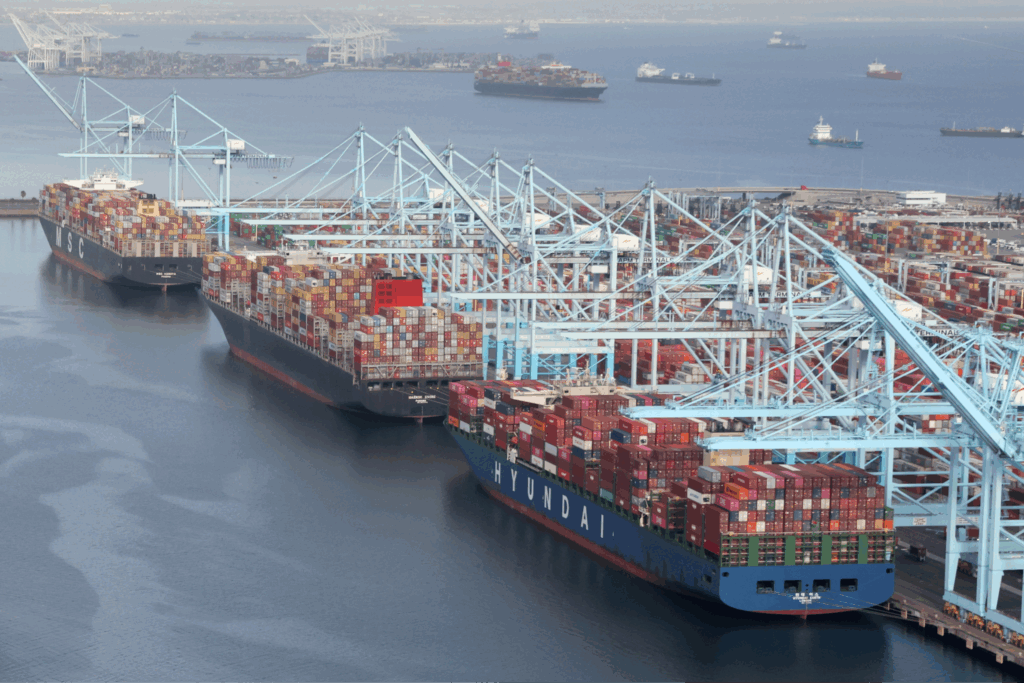
Photo from Reuters.com
We are currently in one of the most disruptive trade eras in recent U.S. history. With the implementation of Section 301 tariffs on goods from China and Section 232 tariffs on steel and aluminum, international brands face sudden cost surges. Importing finished goods has become a strategic liability. This is not an opinion piece on the wisdom of tariffs. This article is focused on how to operate within the current administration policies and not ignore the U.S. which is the largest consumer market in the world.
Leveraging Trade Barriers for Strategic Advantage
Tariffs are barriers to free trade. They just are. But being a glass half full person, I think companies can take the current tariff heavy trade reality and let it become a catalyst for transformation. Rather than fighting the system, there may be opportunities to pivot within it.
This is where Foreign Trade Zones (FTZs) may be an opportunity.
An FTZ allows companies to defer, reduce, or eliminate duties on imported goods — especially valuable if the operation includes reexporting or domestic manufacturing. In many cases, companies operating inside FTZs minimize the harshest financial blows from tariffs, positioning themselves with cost advantages over their competitors.
What Is a Foreign Trade Zone and Why It Matters Now More Than Ever
A Foreign Trade Zone is a designated area near a U.S. port of entry where foreign goods can be stored, processed, or manufactured without being subject to U.S. customs duties — unless they enter the domestic market. If the goods manufactured in a free trade zone are shipped elsewhere- there is no duty.
Benefits include:
- Cash Flow: Delayed duty payments until goods are sold.
- Flexibility: Import components now, process later.
- Export Leverage: Reexports avoid U.S. duties.
- Inverted Tariffs: If finished products have lower duties than their components, companies can elect to pay the lower rate.
For some companies, the FTZ is a cost savings and allows more cash and logistics control.
Reality Check: Complexity, Timeline, and the Need for a U.S.-Based Team
It’s important to underscore that this is not a simple or short-term project. Establishing a U.S. manufacturing presence — especially one involving FTZ designation, and phased expansion from packaging to full-scale production — is a complex, multi-year endeavor.
Realistically, gaining FTZ production authority alone can take 6 to 18 months, involving intensive negotiations, documentation, and regulatory filings with U.S. Customs and the FTZ Board. State and economic development discussions are critical for success as well as negotiating and setting up the operations including labor recruitment and all the legal necessities of operating a business. In short, do not try to accomplish an FTZ entry without local boots on the ground guidance.
While the path is demanding, the long-term opportunity can be significant. Breaking into the U.S. market via domestic production can unlock substantial margin improvements, brand equity through “Made in USA” positioning, and serve as a launchpad into Canada, Europe, and Asia.
The Edge of Being “Made in the USA”
Beyond tariffs, U.S. consumers equate local manufacturing with quality, ethics, and reliability. Government contracts and big-box retailers increasingly favor U.S.-made products. FTZs support this narrative with faster delivery, tighter inventory control, and broader appeal. Do not assume, however, you can bring in a finished product and conduct packaging alone within the FTZ. It’s more complicated than that, and requires careful analysis with guidance from the Federal Trade Commission and discussions with U.S. Customs and Border Protection (CBP) as well as review of the Buy American Act (BAA). Ultimate enforcement is by individual federal agencies that award grants or enter into contracts. In summary, its safer to document discussions with as many agencies and departments as possible to avoid differing interpretations and nuances of compliance.
Strategic Site Selection – Why the East Coast Wins
East Coast states like New Jersey, Pennsylvania, Florida, and Georgia offer:
- Major port access for imports/exports
- Tax and employment incentives
- Deep labor pools
How FTZs Impact the Bottom Line
This is not intended as a detailed impact overview of a FTZ decision, but only as a 50,000 foot overview and one that companies looking to enter the U.S. market and are strategically thinking on a global basis should consider.
Inside an FTZ:
- No duty until products enter U.S. market
- Reexports = zero U.S. tariffs
- Inverted tariffs = lower effective duty rate
- Waste/scrap = duty-exempt
- Potential simplified Customs entry
Conclusion: The Time to Pivot Is Now
With tariffs here to stay, FTZ-backed U.S. manufacturing is not a workaround — it’s a potential strategy for U.S. and global brand expansion. Done right, it enables cost control, market reach, and scalable growth in the world’s most lucrative consumer economy.
About the author
Gary Sumihiro is the founder of Sumihiro Investments LLC, a global strategic advisor, and board member of several companies. Recently, Sumihiro Investments entered into a strategic relationship with EDGE Partners LLC. For more information about Sumihiro Investments and EDGE Partners see the linked article.